Who We Are
The International Science Postgraduate Mental Health Alliance (ISPMHA) was developed as part of an NSF-funded project aiming to promote mental health in the sciences. We serve as an organization to help postgraduates in the sciences, specifically graduate students and postdoctoral researchers, connect, share resources, and engage in advocacy efforts to champion mental health in academia.
Our mission is to:
Build a community of graduate students and postdoctoral scholars who value and promote mental health in scientific spaces.
Bring to light the mental health challenges that graduate students and postdoctoral scholars experience in academic science.
Develop and implement personal, departmental, and institutional resources to promote mental health.
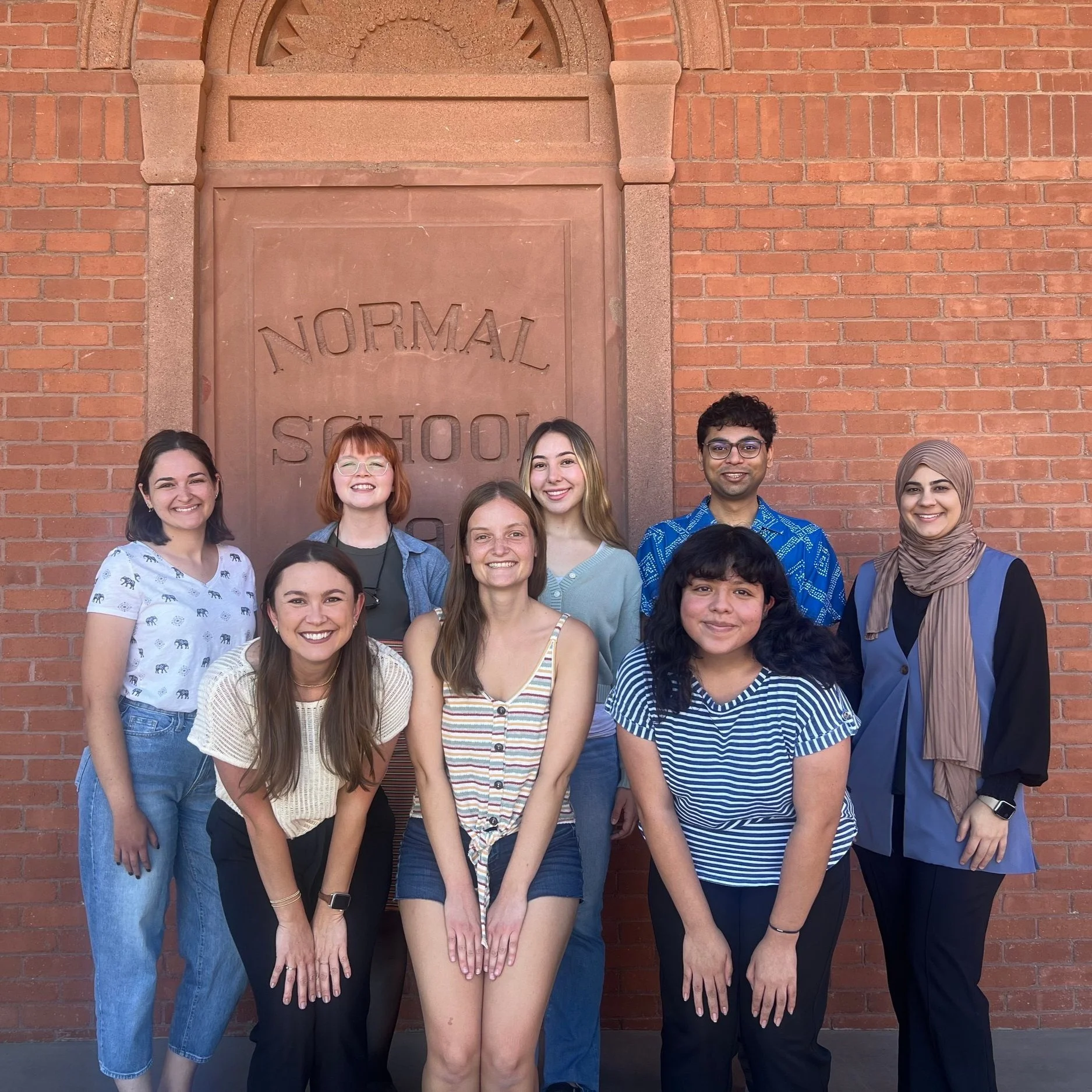
Meet Our Chairs (2026-27)

Mary Kahraman
Mary is a second-year Ph.D. student in the Cooper Biology Education Research Lab at Arizona State University. Mary studies how to promote adaptive coping among undergraduate and graduate students when they face challenges in research. She is both Assyrian and Guatemalan, and has been raised in Arizona her whole life thus far. She pursued a B.S. in Biochemistry with a minor in Psychology with the intention of doing Biology Education Research in the future. She is most interested in researching the different tribulations students may undergo regarding their mental health, specifically with anxiety and depression.Ben Chan
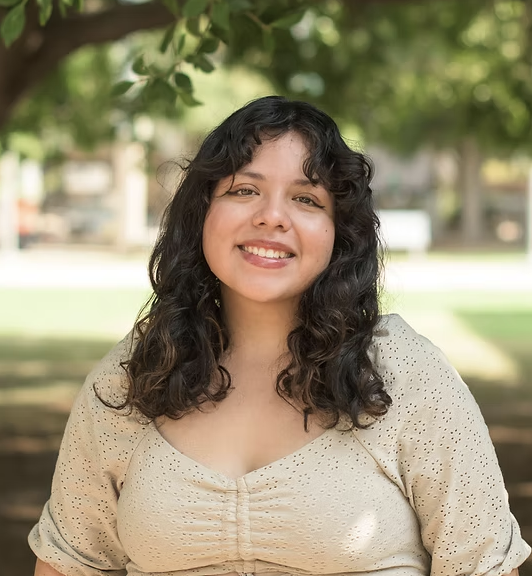
Ben is a third-year Ph.D. student in the Biology Education Research program at Arizona State University. He is passionate about science education and empowering diverse communities through inclusive and equitable teaching practices. Under the mentorship of Dr. Sara Brownell, he conducts research on fostering awareness and understanding of neurodivergent students in STEM education. He is particularly interested in developing psychometric tools to better support neurodivergent learners and creating strategies to promote more inclusive learning environments. He is also exploring the potential role of generative AI in enhancing science education. Ben has served as a teaching assistant for a large-enrollment science course and has three years of experience as a psychoeducational coach at a therapeutic practice in San Diego, where he supported neurodivergent students of all ages. He hopes to continue working alongside instructors, education researchers, and experts to create more inclusive college biology courses that prioritize and support student learning.Meet Our Co-Founders
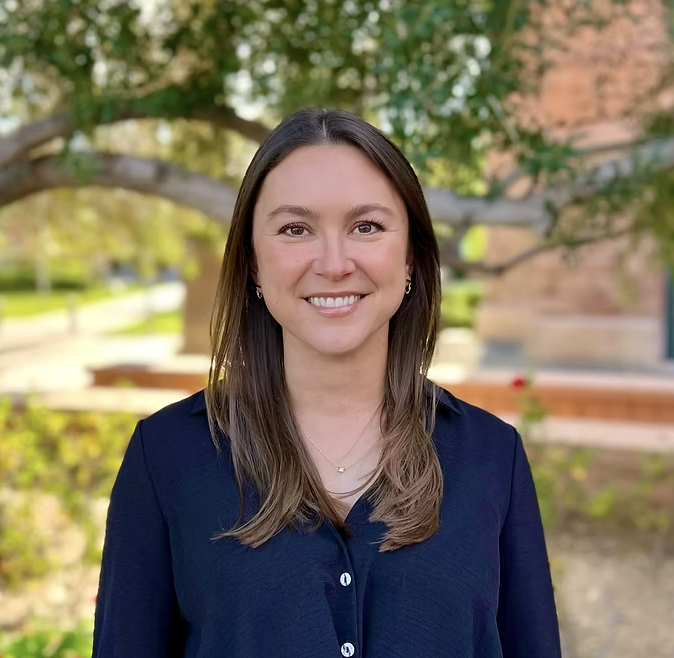
Katelyn M. Cooper
Katey is an Associate Professor in the School of Life Sciences at Arizona State University, where she leads the Cooper Biology Education Research Lab and directs the Mental Health Division of the Research for Inclusive STEM Education (RISE) Center. Trained as a discipline-based education researcher, she applies theories of clinical psychology and employs both quantitative and qualitative methodologies to study biology undergraduate and graduate education. Primarily, she investigates the relationship between student mental health and cognitive and affective learning. Her research has been highlighted in Science as well as news outlets such as the New York Times, CNN, and BBC News.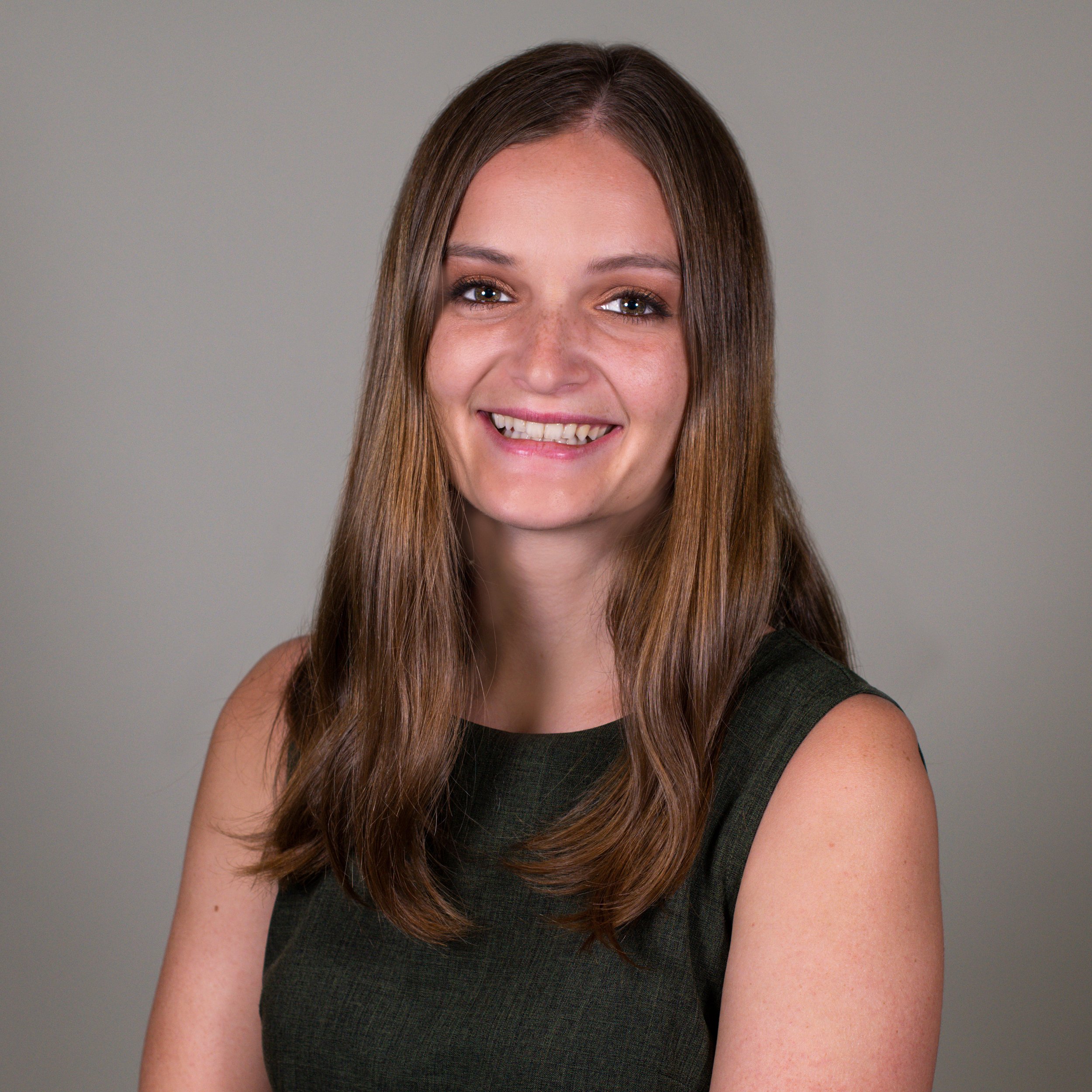
Olivia N. Davis
Olivia is a postdoc working with Dr. Katelyn Cooper on graduate school mental health interventions for mentors and mentees, and advocates for the normalization and prioritization of graduate student mental health in the sciences and academia. She is a co-founder of both Fail-Safe Science and the International Postgraduate Mental Health Alliance. Prior to her work in the Cooper Biology Education Research Lab, Olivia received her Ph.D. in Biology at ASU working with Dr. Leah Gerber on endangered species recovery planning and science policy. Olivia still collaborates with the Center for Biodiversity Outcomes on conservation projects.